

Brandformance Marketing: Driving Growth While Building a Lasting Brand
Contemporary marketing requires the ability to create a strong brand and achieve measurable performance. These objectives have been traditionally addressed independently. Nevertheless, companies are now adopting brandformance marketing, which is an effective marketing technique that combines the two techniques into a single system.
Brands now have the option to do both storytelling and sales, as opposed to having to select between these two. This change is redefining the way businesses reach audiences, maximize campaigns, and grow in the long-term.
Table of Contents
What is Brandformance Marketing?

Brand performance marketing is a hybrid marketing concept that integrates brand-building activities with performance marketing campaigns. It is concerned with establishing emotional appeals to audiences and also with making quantifiable actions such as clicks, leads, and conversions.
Brandformance also combines awareness with conversions in the entire customer journey, unlike traditional marketing methods, which separate the two. It makes sure that all campaigns do not merely narrate an interesting story but also directly lead to business results.
This strategy acknowledges an important fact. The customers are no longer moving in a linear manner. They engage with the brands through various channels, and it is necessary to provide a consistent message that is inspiring and converting.
Why Brandformance is Gaining Popularity?
Brandformance marketing has never been more accessible and efficient due to the emergence of digital platforms and data analytics. Companies do not have to solely depend on creative intuition or single metrics. Rather, they are able to integrate narration with real-time performance feedback.
A significant factor that has made brand performance popular is the fact that it helps to fill the gap between short term and long term objectives. Although branding creates trust and awareness in the long run, performance marketing guarantees short-term results with quantifiable activities.
By combining these strategies, companies can develop campaigns that provide short-term wins without compromising on long-term growth. This balance is particularly necessary in a market with a low level of customer attention and high competition.
Core Elements of Brandformance Marketing
To successfully implement brandformance marketing, businesses need to focus on several key components:
- Data Driven Creativity
Creativity will be needed, but it will have to be data-driven. The campaigns must be emotional and at the same time optimized to give measurable outcomes. Analytics insights are used to refine messages and enhance performance in the long run.
- Full Funnel Strategy
Brand performance exists throughout the entire marketing funnel, from awareness to conversion. It makes sure that none of the stages is overlooked, and the brands are able to foster relationships as well as promote immediate action.
- Consistent Brand Messaging
Consistency is crucial in brandformance marketing. All ads, posts, or campaigns must indicate the brand, but they need to motivate users to act. This consistency builds trust and enhances conversion rates.
- Real Time Optimization
As opposed to conventional branding, brandformance is dependent on ongoing testing and optimization. Marketers can change campaigns according to performance metrics, which makes them as effective and impactful as possible.
Benefits of Brandformance Marketing
Implementing brand performance marketing has a number of benefits to the contemporary business:
- Improved ROI
When businesses merge branding and performance, they will gain more returns on investment. Campaigns are also not only engaging but also result-oriented, where all marketing activity leads to growth.
- Stronger Customer Relationships
Brand performance creates emotional attachments and generates value. This two-fold strategy assists the brands in building trust, which increases customer retention and loyalty.
- Better Decision Making
Marketers are able to make informed decisions with access to data and insights. This minimizes the amount of guesswork and maximizes campaign effectiveness.
- Sustainable Growth
Brandformance marketing facilitates long term success as opposed to the strategies that only seek short term gains. It establishes a solid base of sustained development through a combination of short-term outcomes and brand equity.
How to Implement Brandformance Marketing?
To maximize brandformance marketing, businesses should follow an organized process:
- Define Clear Objectives
Begin by determining both brand and performance goals. These can be raising awareness, creating leads, or making sales. Specific goals make the campaigns focused and quantifiable.
- Integrate Channels
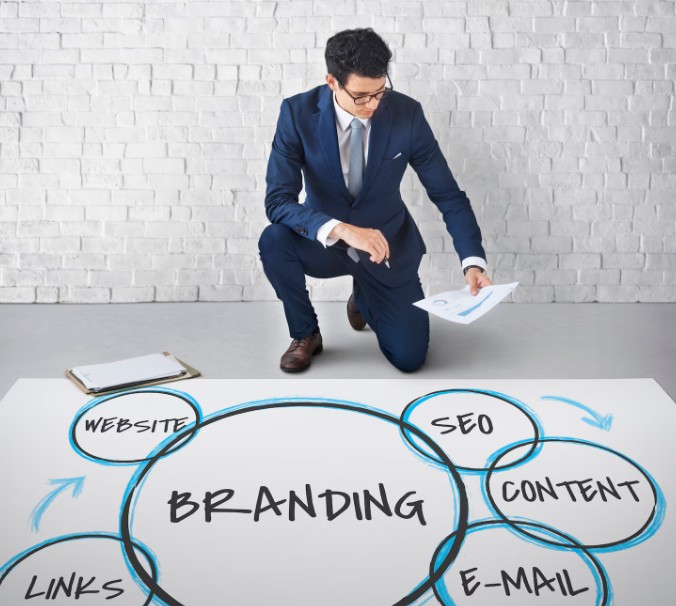
An effective brand performance strategy needs to be integrated in various platforms. Social media and search engines and content marketing must collaborate to provide a cohesive message.
- Use Data Effectively
Use analytics to monitor campaign performance. Engagement rates, conversions, and ROI are some of the metrics that give useful insights towards optimization.
- Create Engaging Content
The content must be a balance between action and storytelling. It may be a video, blog, or ad; but it must be emotionally touching and lead users to a particular goal.
- Continuously Optimize
In brandformance marketing, testing and refinement are crucial. Periodically review outcomes and change strategies to enhance performance and remain relevant.
Challenges of Brandformance Marketing
- Balancing Branding and Performance
It may be hard to strike the right balance between storytelling and conversion-motivated tactics. Excessive focus on one side may undermine the effectiveness and long-term effect of the campaign.
- Complex Data Integration
Brand performance marketing depends on the data of various platforms and channels. It may not be easy to combine and make sense of this data without the right tools and skills.
- High Resource Requirements
Implementing brand performance campaigns can be costly in terms of technology, talent and creative assets. Smaller businesses might not be able to deploy enough resources to do it regularly.
- Maintaining Consistent Messaging
Providing a consistent brand message on various platforms may be complicated and time-consuming. Lack of consistency may mislead audiences, reduce brand trust and lower campaign performance.
- Measuring Long Term Impact
Long-term brand impact is difficult to measure, whereas short-term results are easy to monitor. This complicates the measurement of the overall effectiveness of brand performance in marketing activities.
The Future of Brandformance Marketing
Integration is the future of digital marketing, and brand performance marketing is at the forefront. With the ongoing technological advancement, there are more advanced tools that businesses can use to track, target, and customize.
Consumers are also more choosy and prefer meaningful interactions as opposed to generic advertisements. This change further increases the relevance of brand performance, which is aimed at providing value throughout the customer experience.
Brands that effectively embrace brandformance marketing will have a competitive advantage in the coming years. They will not just create short-term outcomes but also develop a long-term relationship with their audiences.
Conclusion
Brand performance marketing is redefining the way business enterprises are engaging in digital growth by combining creativity with quantifiable performance. It helps brands to engage on an emotional level and attain real outcomes. Brand performance enables companies to gain trust, convert, and maintain long-term success in a highly competitive and rapidly changing digital space.