
Small Changes, Big Impact: New Ways Businesses Cut Energy Waste
Energy expenses consistently burden businesses. Shop owners, warehouse managers, office administrators. They all watch money vanish into power bills. The frustrating part? Much of that spending is completely unnecessary. Companies across the country have figured out how to slash these expenses without major renovations or fancy equipment. They’re making small tweaks that save big money.
Table of Contents
The Hidden Energy Thieves
In any office building after hours, you will see lights glowing in empty cubicles. Computers run screensavers nobody sees. The coffeemaker stays hot for phantom coffee drinkers who went home hours ago. Each waste seems trivial by itself. Add them up over weeks and months, though, and you’re burning cash for nothing. The real killer is that nobody sees it happening. A warehouse heater cranks away while the loading dock sits wide open, mixing expensive warm air with winter cold. The desk fan and the air conditioner are in a battle, and so are the space heater and central cooling. Money is going down the drain. Literally.
Aging equipment hinders everything. The old basement boiler? It consumes fuel quickly. Inefficient fluorescent tubes consume a lot of power for little light. Replacing equipment seems expensive, so companies keep it. But keeping it costs more in the long run. Then there’s the timing problem. Buildings get heated to perfection at 6 AM even though workers don’t arrive until 9. Air conditioning blasts through conference rooms during lunch when everyone’s eating elsewhere. Systems run full tilt based on schedules written years ago that nobody remembers to update.
Smart Technology Takes Control
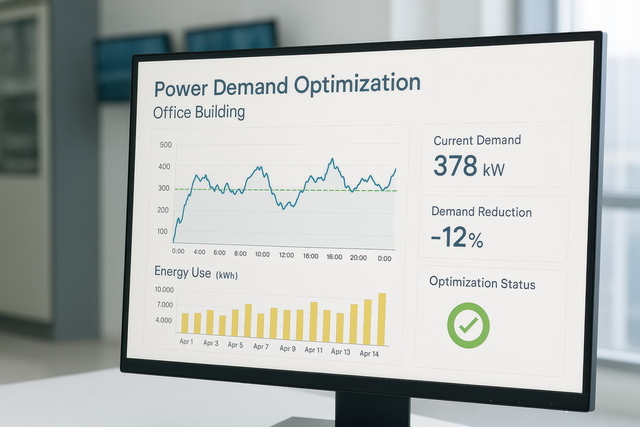
New monitoring tools catch energy thieves red-handed. Sensors placed throughout buildings track exactly where electricity goes. The data tells stories nobody expected. That rarely-used copy room somehow burns more power than the busy reception area. The server room everyone worries about actually uses less energy than the employee kitchen.
IoT energy solutions link regular equipment to control systems that think for themselves, according to the experts at Blues IoT. Thermostats figure out when people actually use spaces. Lights adjust to the daylight. Power strips prevent devices from wasting energy when off. Everything adjusts minute by minute. What’s clever about these systems is how they respond to what’s actually happening instead of following dumb schedules. An empty office doesn’t need perfect climate control. A storage room doesn’t require bright lighting at midnight. The technology makes thousands of tiny decisions that add up to major savings.
Simple Fixes Pack a Punch
Forget the fancy stuff for a minute. The best energy savings result from easy changes. Raise the thermostat two degrees in summer, lower it two in winter. You just dramatically cut heating and cooling costs. Move the fridge and clean the coils. Watch it stop working so hard. Weather stripping costs pocket change but plugs expensive leaks around doors and windows. LED bulbs seem pricey until you realize they last forever and barely sip electricity. Motion sensors for lights pay for themselves in months. These aren’t complicated fixes. Any maintenance person can handle them in an afternoon.
People make a difference too. Employees who know about the cost of running equipment tend to turn it off. They report strange ventilation noises before a breakdown. They shut doors between heated and unheated areas. Human habits multiply whatever savings technology provides.
Conclusion
Businesses don’t have to overhaul operations to save energy. Small steps like these make a big difference. Energy-conscious companies frequently achieve significant reductions in consumption. All while maintaining comfort and productivity levels. The solutions already exist. All it takes is looking around, fixing the obvious problems, and staying alert for new ways to stop burning money on wasted energy.